24 Oct 2026
Mapping User Journeys Across Card Tables and Bonus Activation Points in Multi-Device Casino Environments
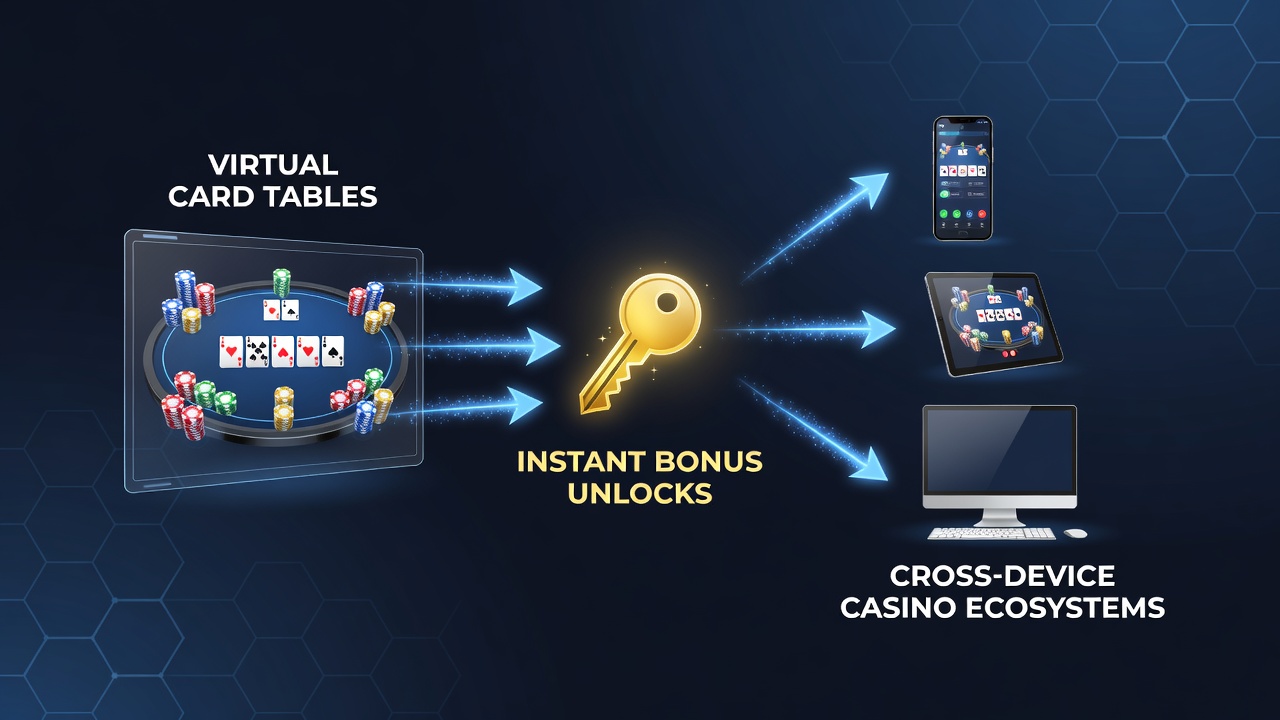
Cross-device casino ecosystems now link virtual card table sessions directly to instant bonus unlock sequences through layered navigation structures that sync in real time, and data from multiple jurisdictions shows steady growth in these integrated pathways as of October 2026.
Core Components of Cross-Device Navigation
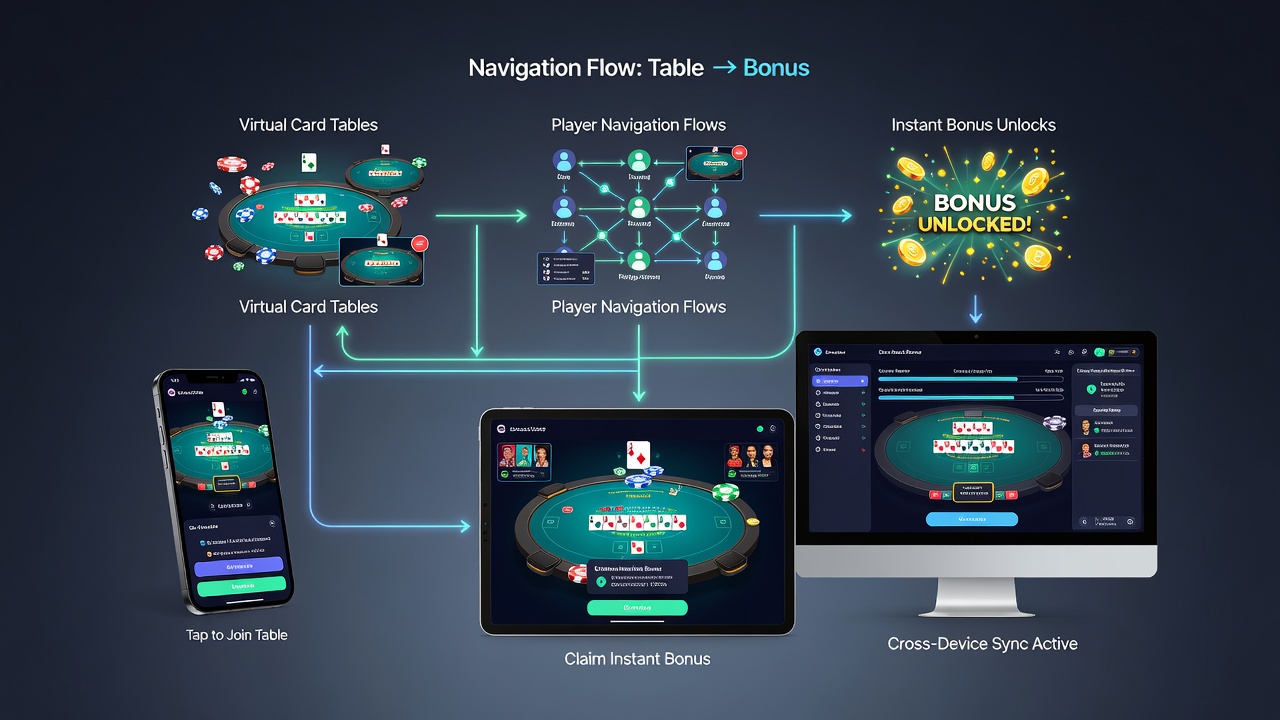
Virtual card tables operate within frameworks that track player actions such as bet placement, hand completion, and session duration while feeding those metrics into centralized reward engines that trigger bonuses without requiring separate logins or device switches, according to industry analyses. Players move from desktop card rooms to mobile interfaces during the same session, and the system maintains state across platforms using persistent identifiers that preserve progress toward unlock thresholds. Research from academic gaming studies indicates these flows reduce friction points that once interrupted reward cycles, creating continuous data streams between card game outcomes and bonus eligibility checks.
Instant Bonus Mechanisms Tied to Card Play
Bonus unlocks activate when specific card table conditions meet predefined criteria, such as consecutive wins or total hands played, and the process runs through automated scripts that push notifications across devices without manual intervention. One case examined by platform developers revealed that linking blackjack sessions to deposit-match bonuses cut average unlock times by measurable margins while maintaining compliance with regional payout rules. Observers note that these triggers often combine card game data with loyalty tier status, allowing higher-level users to access larger rewards faster, and transaction logs confirm the pattern holds across both regulated U.S. markets and international operators.
Synchronization Challenges and Solutions
Device handoffs introduce latency risks when card table data must transfer to bonus systems, yet modern ecosystems employ cloud-based session managers that resolve these delays through background syncing rather than user-facing waits. Figures from state gaming reports show that operators adopting unified APIs experienced fewer drop-offs during cross-device transitions in the first three quarters of 2026. The approach also accommodates regulatory variations, because bonus rules differ by jurisdiction while core navigation logic remains consistent across the platform stack.
Integration with Broader Loyalty Structures
Card table navigation feeds into loyalty programs where accumulated play points convert into bonus credits that unlock instantly upon threshold completion, and this linkage appears in multiple operator case studies. Data indicates that players who navigate between virtual tables and bonus interfaces within a single ecosystem show higher retention rates than those using fragmented systems. Experts tracking these patterns point to improved data correlation between card outcomes and reward distribution timing as a key driver behind the observed consistency.
Regulatory Context and Data Flows
Regulatory bodies such as the New Jersey Division of Gaming Enforcement require transparent logging of navigation paths that connect card play to bonus unlocks, ensuring every trigger meets fairness standards. Similar oversight exists in other regions, where operators must demonstrate that cross-device flows do not create unintended advantages or obscure terms. Reports compiled by gaming research centers highlight that clear audit trails built into these systems help maintain compliance while supporting the instant nature of the rewards.
Future Patterns in Multi-Platform Flows
Continued expansion of 5G networks and improved device interoperability points toward even tighter integration between card tables and bonus systems, with preliminary tests showing reduced latency in reward delivery during October 2026 trials. Platform architects continue refining algorithms that predict optimal unlock moments based on real-time card session data, and early metrics suggest these refinements further streamline the player journey without altering game mechanics.
Conclusion
Navigation flows that connect virtual card tables to instant bonus unlocks now form a core element of cross-device casino operations, supported by synchronized data systems and regulatory frameworks that track every step. Evidence from multiple markets confirms these pathways deliver measurable improvements in session continuity and reward access timing while preserving required oversight standards across platforms.