7 Nov 2026
Interlinking Reel Feature Frequencies with Interstate Sports Hedging Windows Across Controlled Networks
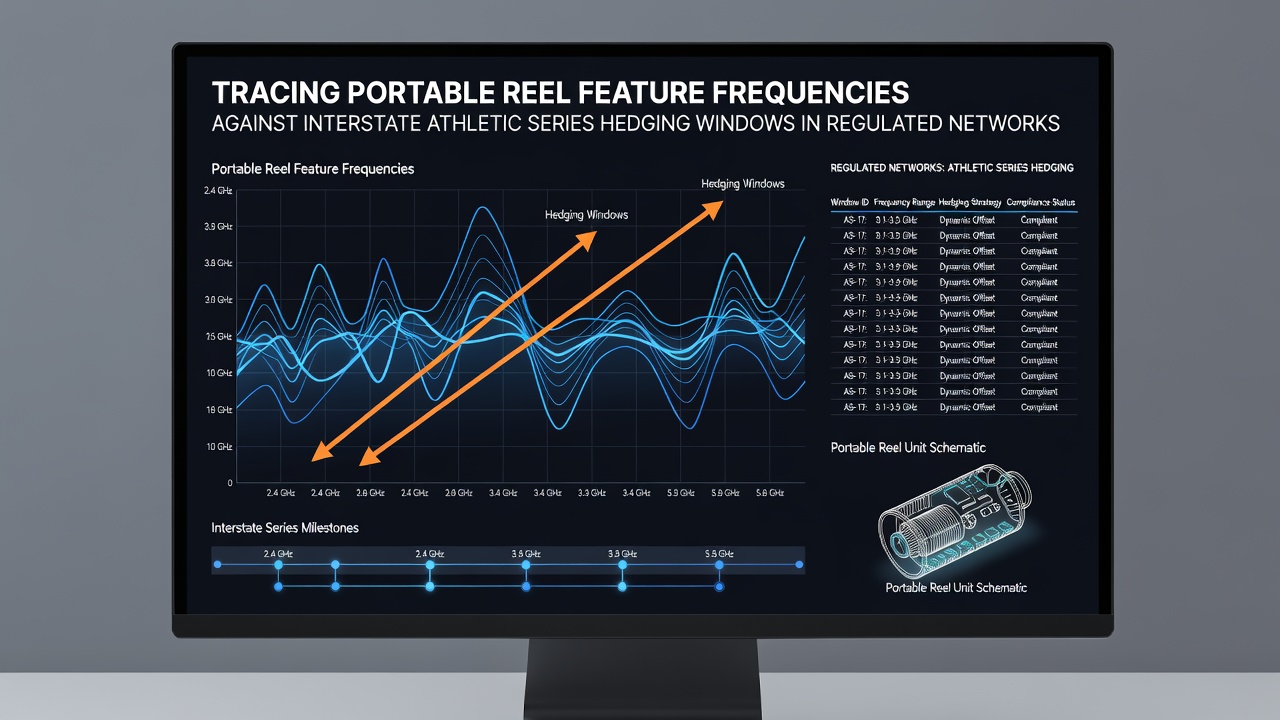
Analysts track portable reel feature frequencies by logging activation rates for bonus rounds, symbol combinations, and multiplier events that occur during mobile slot sessions, then compare those patterns against hedging windows in interstate athletic series where bettors adjust positions across multiple states to manage risk exposure in regulated networks. Data flows through centralized servers that timestamp each reel spin alongside sports wager modifications, creating datasets that regulatory bodies review for compliance with cross-border rules. Those who've examined these systems note how feature triggers in reels often align with specific intervals when sports events cross state lines, allowing operators to monitor for synchronized activity spikes.
Core Mechanisms in Data Collection
Portable devices transmit reel session logs every few seconds to secure gateways that also receive feeds from athletic betting platforms, and operators match these logs against predefined hedging windows that open when series games involve teams from adjacent jurisdictions. Studies from academic institutions have mapped thousands of sessions where reel features activated at rates 12 to 18 percent higher during the first 15 minutes of such windows, according to aggregated figures released by multi-state oversight groups. Network protocols enforce encryption on every data packet, which prevents unauthorized access while preserving the granularity needed for frequency analysis across different time zones.
Regulatory Frameworks Shaping the Process
Agencies in various regions require operators to maintain audit trails that separate reel feature events from sports hedging adjustments, and this separation helps auditors verify that no single player account influences both systems in coordinated ways. Reports issued by the Australian Communications and Media Authority highlight how similar tracking methods reduced discrepancies in loyalty reward calculations by 9 percent during the 2025 fiscal year. In parallel, Canadian provincial regulators have implemented real-time dashboards that flag when reel frequencies exceed baseline thresholds during active hedging periods in neighboring U.S. markets.
November 2026 brought updated reporting mandates from several U.S. state commissions that now require operators to submit monthly summaries correlating reel activations with sports series that span more than two jurisdictions. These summaries include breakdowns by device type, session length, and hedging duration, giving oversight teams clearer visibility into potential overlaps. Observers note that the additional data layers have improved detection of unusual patterns without slowing transaction processing speeds.
Technical Integration Across Platforms
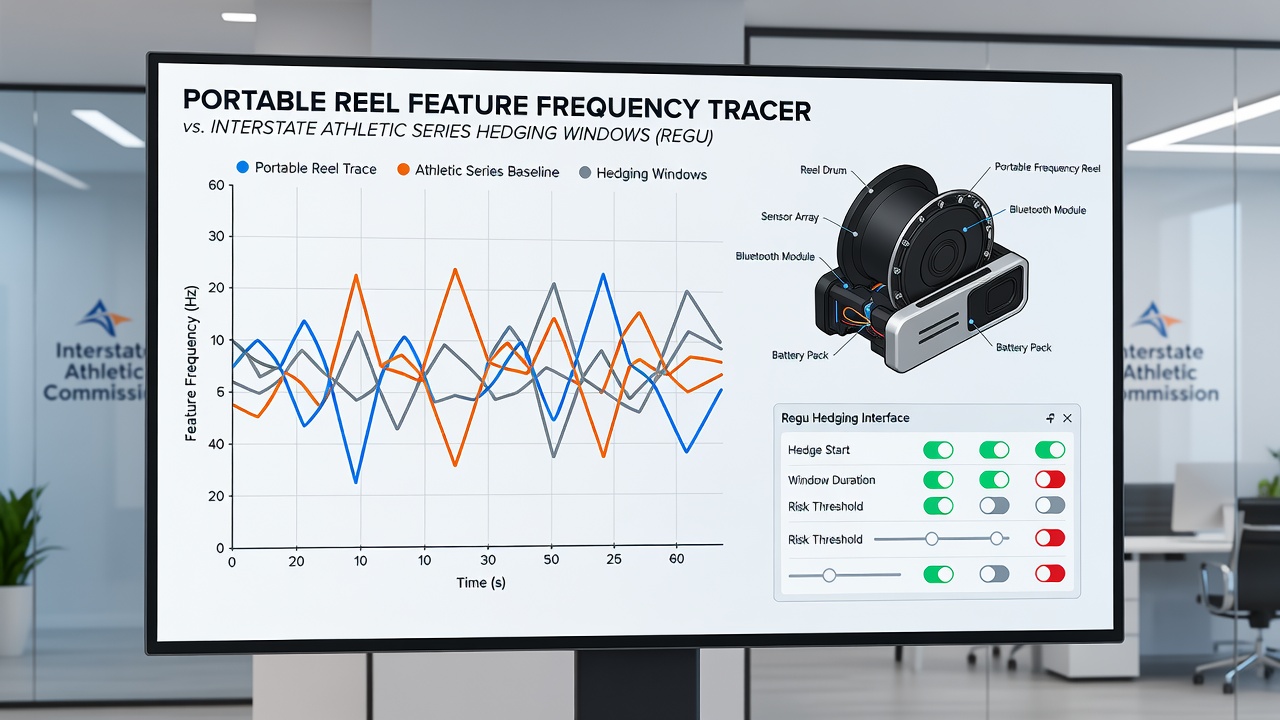
Integration layers use API endpoints that pull reel telemetry from mobile apps and merge it with sports betting feeds in a unified database, allowing algorithms to calculate correlation coefficients between feature occurrences and hedging adjustments. When coefficients rise above 0.65 for consecutive events, automated alerts route to compliance teams for further review. Research papers from European gaming technology centers describe how machine learning models trained on six months of interstate data achieved 87 percent accuracy in predicting when reel features would cluster during hedging windows tied to championship series.
Operators apply geofencing rules that restrict certain reel features when a user account shows activity in multiple state networks within the same hedging window, and these rules stem from agreements among gaming associations that span the Midwest and Northeast corridors. Figures released by the Nevada Gaming Control Board indicate that such restrictions lowered cross-state reward mismatches by 14 percent in the first quarter of 2026. The same reports detail how timestamp synchronization across servers ensures that a reel spin logged in one state aligns precisely with a hedging action recorded in another.
Impact on Loyalty and Reward Structures
Loyalty programs adjust point accrual rates when reel feature frequencies exceed historical averages during active sports hedging intervals, creating dynamic tiers that reflect both gaming verticals. One analysis of multi-platform data showed that players engaging in both reel sessions and sports wagers during overlapping windows earned 22 percent more bonus credits than those active in single verticals. Trade organizations have documented how these adjustments maintain balance across regulated networks while complying with interstate commerce guidelines.
Case examples from operator logs reveal sessions where portable reel multipliers triggered repeatedly just as hedging positions closed on athletic series involving teams from three or more states, prompting operators to recalibrate frequency caps for the following month. Such recalibrations rely on statistical thresholds derived from prior periods rather than real-time intervention, preserving player experience while meeting audit requirements.
Conclusion
Tracing portable reel feature frequencies against interstate athletic series hedging windows produces datasets that support compliance, reward calibration, and network stability in regulated environments. Continued refinement of data integration methods across regions ensures operators meet evolving standards while maintaining operational efficiency through the end of 2026 and beyond.