10 Oct 2026
Global Gaming Expo Highlights Industry Tactics for Player Retention and Revenue Growth
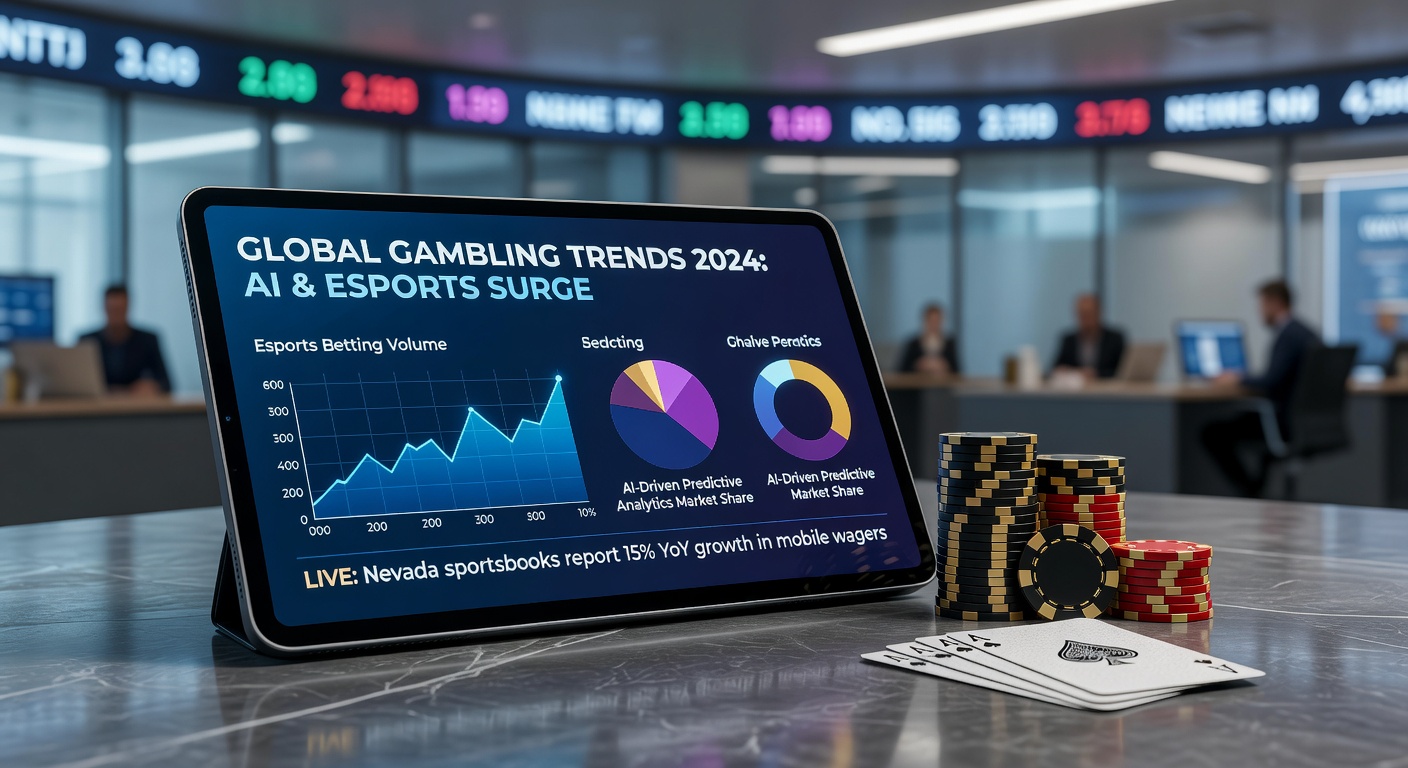
Executives and professionals at the Global Gaming Expo in Las Vegas, an event presented by the American Gaming Association, examined multiple approaches to keep customers engaged and increase revenue streams during panel discussions and sessions, while leaked audio provided additional details on the conversations. These talks covered operational changes such as cashless payment systems designed to speed up gameplay, along with personalized incentives tailored to individual player habits and preferences.
Payment Systems and Alternative Betting Options Take Center Stage
Participants reviewed how cashless payment systems could reduce friction at gaming tables and machines, allowing players to move between activities without delays associated with traditional cash handling, and this shift aligns with broader efforts to maintain momentum during peak hours. Alternative betting options received attention as well, particularly during slower periods in sports seasons when traditional wagers decline, and suggestions included expanded esports betting alongside player-versus-player formats that keep activity levels steady across the floor.
Fragrances emerged in discussions as an environmental enhancement tool, with presenters noting their potential to create more inviting casino atmospheres that encourage longer stays and repeated visits. Loyalty programs also featured prominently, with strategies focused on positioning casinos as extensions of daily life, often described internally as a "second home" for frequent patrons through tiered rewards and consistent engagement touchpoints.
Industry Positions on Prediction Markets Surface in Audio Leaks
Leaked audio from the event revealed industry opposition to prediction markets such as Kalshi and Polymarket, with speakers outlining concerns over regulatory overlap and market competition that could affect traditional gaming operations. These platforms operate under federal oversight, and references to the CFTC highlighted ongoing distinctions between event contracts and state-regulated casino activities.
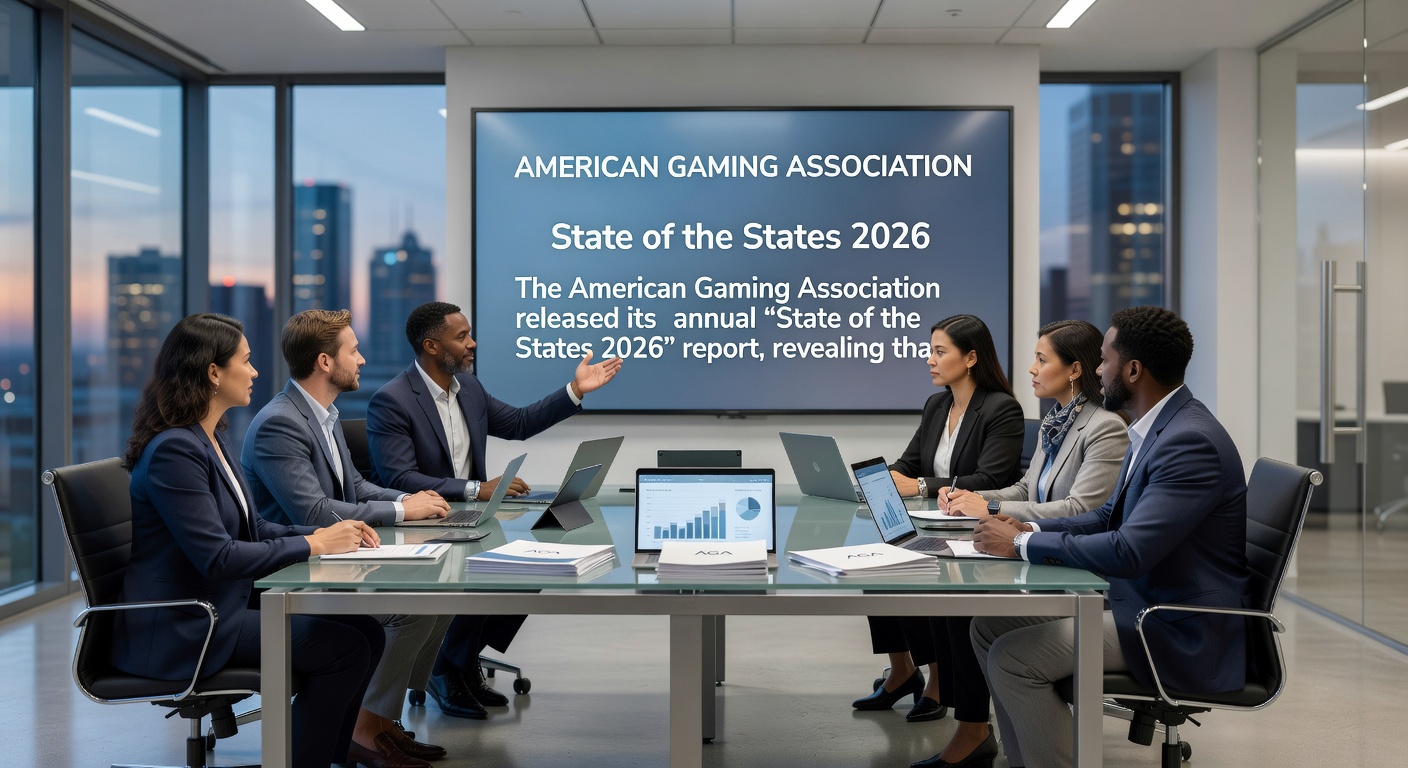
Observers at the expo noted that these conversations occurred against a backdrop of evolving state and federal rules, where operators seek clarity on how prediction products fit within existing frameworks without diluting core revenue sources. Data shared during sessions pointed to steady growth in certain segments, yet executives emphasized the need for diversified offerings to sustain momentum through seasonal fluctuations.
Loyalty Programs and Environmental Adjustments in Focus
Details from the panels showed loyalty initiatives evolving beyond basic reward points, incorporating elements that tie player behavior across multiple visit types to create deeper connections with the venue itself. One case discussed involved integrating personalized offers with real-time activity tracking to adjust incentives dynamically, while another examined how scent profiles in gaming areas could subtly influence dwell time without direct player awareness.
Alternative betting pathways, including esports and peer-to-peer options, were presented as buffers during off-peak sports calendars, allowing facilities to maintain consistent traffic when major leagues enter slower phases. These proposals built on existing infrastructure, with executives stressing compatibility with current systems to minimize implementation hurdles.
Broader Context from Expo Discussions
Throughout the event, which drew professionals from across the sector in October 2026, conversations stayed grounded in practical applications rather than speculative trends, and attendees exchanged examples of pilot programs already underway at various properties. Cashless transitions appeared as a recurring theme because they address both speed and security concerns simultaneously, while fragrance trials were cited in smaller venues as low-cost additions with measurable impact on atmosphere ratings.
Opposition to prediction markets centered on preserving state-level control over gaming activities, with speakers arguing that federal platforms introduce variables outside traditional oversight channels. This stance reflected ongoing efforts to maintain clear boundaries between different forms of wagering and the revenue models that support them.
Conclusion
The Global Gaming Expo sessions and associated audio recordings captured a focused set of retention and revenue strategies that operators continue to test and refine, ranging from technological upgrades in payments to environmental and loyalty adjustments. Industry responses to prediction markets underscored a preference for established regulatory structures, and the event provided a platform for sharing these positions among peers. These elements together illustrate current priorities within the sector as operators navigate competitive and seasonal pressures.